

How BTS’s Overseas Experiences Inspired a Years-long Global Food and Beverage Project
작성일 수정일
How BTS transformed travel frustrations into a global food brand strategy
Why ARIH refuses to put BTS faces on every package despite massive fandom
This Was Not Supposed to Be Another BTS-Labeled Product
BTS could have placed seven familiar faces on a package of instant noodles and guaranteed immediate attention.
ARIH chose a more difficult route. The new food and beverage brand developed with Korean companies Paldo and hy prominently describes its products as “inspired by BTS,” but the members’ portraits are not printed across every bowl and can. Instead, the brand is attempting to make consumers notice the food itself.
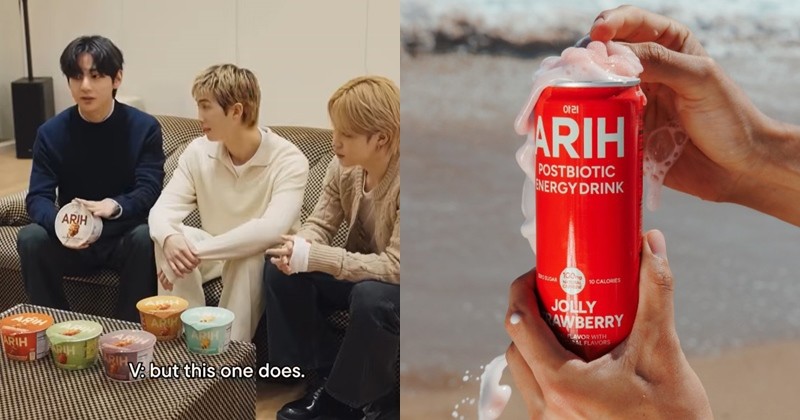
That decision is particularly unusual in celebrity merchandise, where recognizability often matters more than what is inside the package. However, exclusive reporting by Wikitree indicates that ARIH was conceived as a long-term brand rather than a limited-edition collaboration.
According to people familiar with the project, BTS did not simply approve finished products or lend the group’s name to an advertising campaign. The members’ experiences during years of international travel provided the starting point, while their feedback reportedly influenced flavors, sweetness, carbonation and design.
The brand was developed over several years, beginning with research based on the members’ experiences and needs during overseas activities.
The Idea Began With a Problem BTS Knew Personally
While touring internationally, the members regularly spent long periods away from South Korea. Finding the specific Korean food they wanted was not always easy, and their available beverage options did not necessarily match what they wanted while managing demanding performance schedules.
Those practical frustrations led to a larger question: why had Korean pop culture become globally familiar while Korean food products still struggled to achieve the everyday presence of brands such as Coca-Cola, Pepsi or Nestlé?
Korean dishes and ingredients are no longer unfamiliar to international consumers. Gochujang, bulgogi, tteokbokki and spicy noodles frequently appear in restaurants, supermarkets and social media videos. Yet becoming viral is different from becoming routine.
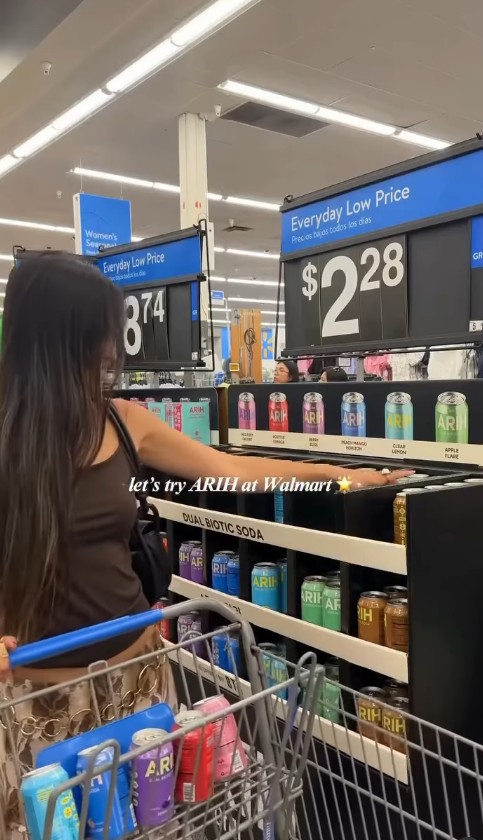
The ambition behind ARIH was to close some of that distance by creating products that could sit naturally in an American Walmart or Japanese convenience store, not only in a specialty Korean grocery aisle.
Paldo brought its experience in noodles and packaged foods, while hy contributed knowledge associated with fermented products and beneficial bacteria. The combination allowed the project to move beyond an artist-designed package and into full product development.
BTS Reportedly Gave Direct Feedback on the Taste
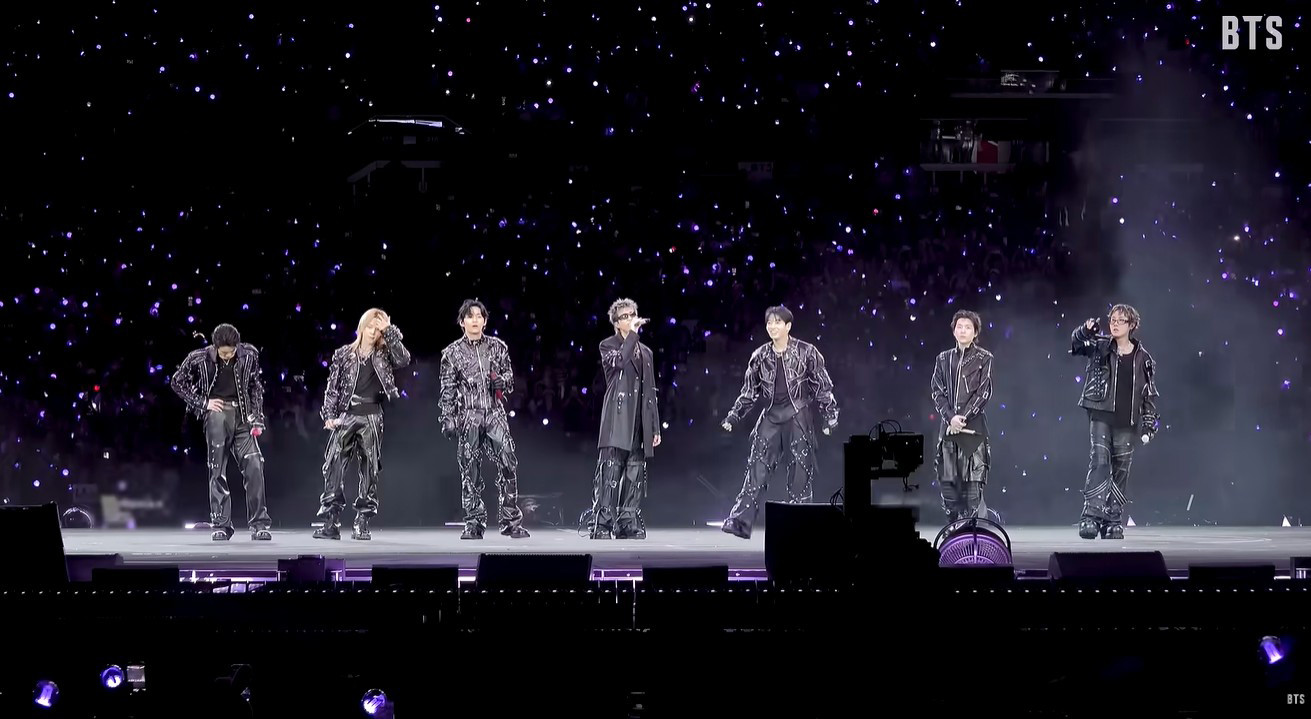
Initial research began using needs and ideas drawn from the members’ overseas experiences. BTS’s direct participation reportedly increased after the group reunited following military service.
Wikitree’s reporting found that the members took part in tastings and offered opinions on the broader brand concept and packaging. They also discussed details including ingredients, sweetness and carbonation levels.
The feedback was not always polite or vague. When a sample did not meet expectations, the members reportedly said so directly. Development teams then adjusted the recipe and returned with another version for tasting.
That repeated process matters because celebrity food partnerships typically begin after most technical decisions have already been made. In those arrangements, the artist’s primary role is visibility.
ARIH appears to be making a different argument. BTS’s value was not limited to the size of its fandom. Years of traveling across different food cultures gave the members a perspective on which Korean flavors could remain recognizable while becoming approachable to international consumers.
What Is Actually in the ARIH Lineup?
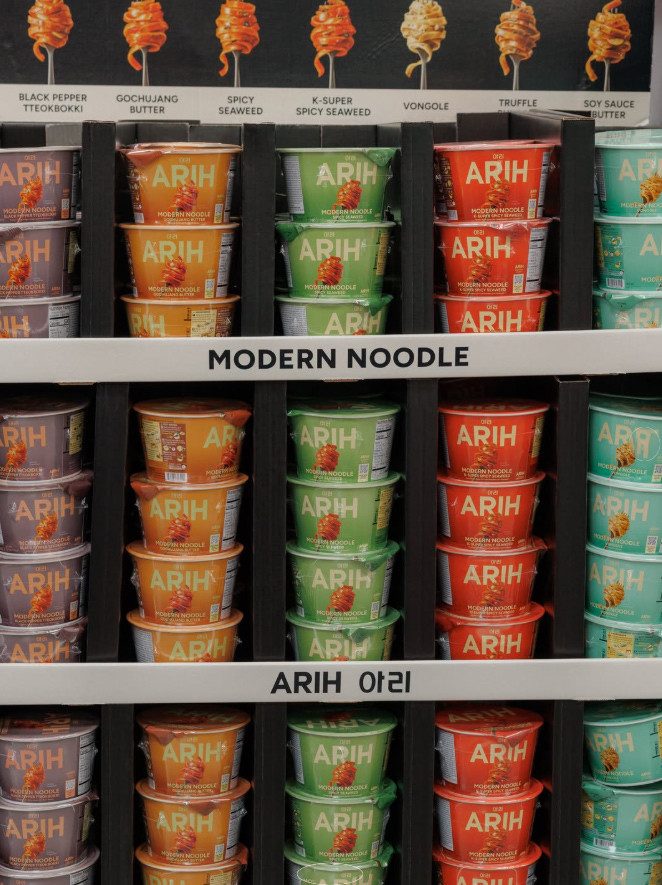
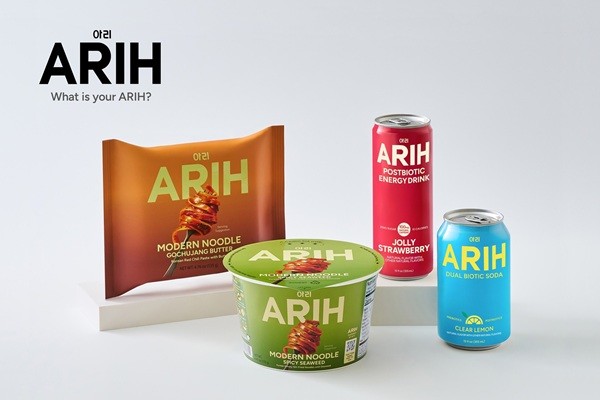
ARIH currently spans three categories: Modern Noodles, Postbiotic Energy Drinks and Dual Biotic Sodas.
The full range contains 28 products when different flavors and packaging formats are counted.
Modern Noodles are available in seven flavors, including Gochujang Butter, Soy Sauce Butter, Vongole, Truffle Bulgogi, Black Pepper Tteokbokki and two seaweed-based varieties.
Rather than reproducing conventional soup-based ramyeon, the line combines Korean ingredients with internationally familiar restaurant flavors. The noodles are shorter for consumers accustomed to using forks and use a wider, fettuccine-like shape intended to hold thick sauces.
The result is not traditional Korean food in a strict sense. It is a deliberately hybrid product designed to make flavors such as gochujang and bulgogi feel accessible without removing their Korean identity.
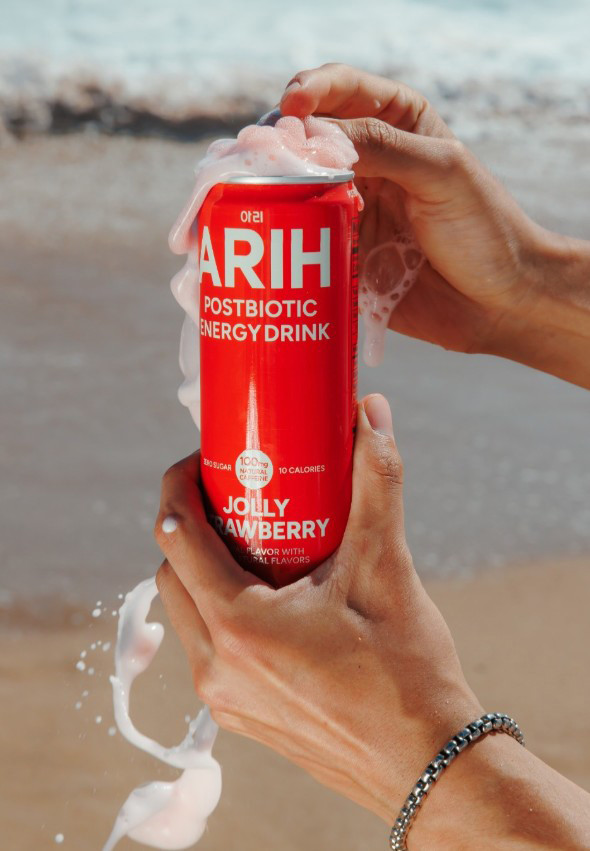
The Postbiotic Energy line consists of seven fruit flavors with zero sugar and 100 milligrams of naturally sourced caffeine per 12-ounce can, according to current Walmart listings.
ARIH markets the drinks as a smoother alternative within the energy category. Still, consumers should treat phrases such as “clean energy” or “healthy energy” as brand positioning rather than medical guarantees. Caffeine can affect individuals differently.
Postbiotics are preparations containing inactivated microorganisms or their components. Scientific interest in them is growing, but the International Scientific Association for Probiotics and Prebiotics notes that any health benefit must be demonstrated for the specific product and target population. The presence of the word “postbiotic” alone does not establish a universal health effect.
The Dual Biotic Soda range combines prebiotic fiber with postbiotic ingredients. It contains seven fruit-forward flavors and is positioned as a lightly carbonated, low-sugar soda option.
Why BTS Is Not on the Front of Every Package
The absence of member portraits may be ARIH’s most revealing design choice.
Putting BTS on every product could drive an enormous first wave of purchases. It could also make ARIH look like merchandise that happens to be edible.
According to Wikitree’s reporting, the brand wants repeat purchases to depend on taste and quality rather than the novelty of owning something featuring a favorite member. BTS’s involvement remains a central part of the story, but it is not intended to replace the product’s identity.
This creates a tougher test for ARIH. Fans can provide immediate awareness and curiosity, but a food brand cannot survive globally through collector behavior alone. Consumers must want another bowl after the photo card culture and launch excitement are removed from the equation.
That is why ARIH’s understated packaging strategy is not an attempt to hide BTS. It is an effort to build something that might eventually stand without requiring their faces.
ARIH Entered the United States Before Korea
The rollout also reversed the usual path taken by Korean food brands.
ARIH first arrived in the United States through Walmart in late April 2026 before receiving its formal Korean launch. Wikitree reported that the brand earned a Walmart.com “Best Seller” badge within three days, and current Walmart listings continue to identify selected ARIH noodle products as best sellers.
The brand has since expanded to Japan through 7-Eleven and entered Canada through Loblaw stores. Pop-up events in Tokyo and Toronto were timed to introduce the products directly to local consumers, while ARIH has also operated booths near BTS’s ARIRANG World Tour stops in the United States.
This overseas-first strategy reflects the original problem the members wanted to address. ARIH was created because Korean flavors were not always conveniently available during international schedules, so the brand began by placing those products in the markets where that absence had been felt.
The Real Test Comes After the Fans Try It Once
ARIH’s origin story is compelling, but its future will depend on an ordinary consumer decision: whether to buy it again.
BTS can introduce a new brand to millions of people almost instantly. It cannot make a flavor personally satisfying to every customer.
That is also what makes this project more ambitious than a standard collaboration. ARIH is asking whether the cultural influence behind K-pop can help create a durable global food brand without turning every product into fandom merchandise.
The first purchase may come from curiosity about BTS. The second must come from the noodles, soda or energy drink itself.
If ARIH can achieve that transition, the members will have helped build something more lasting than another product with their names attached. They will have turned a problem experienced between concerts into a new experiment in what might follow K-pop’s global success: Korean flavors becoming part of everyday life.