

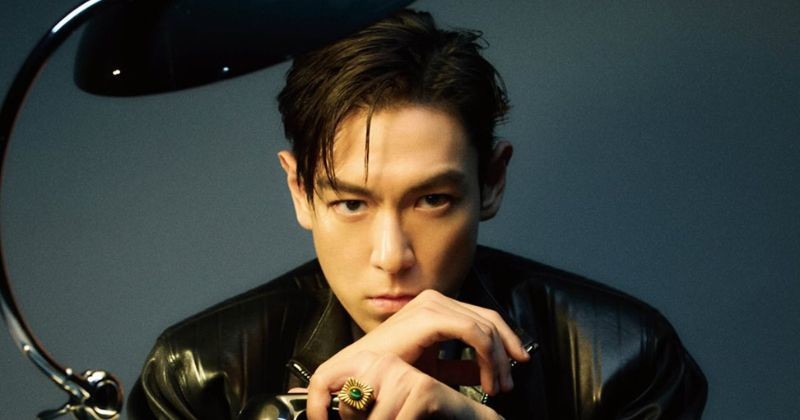
T.O.P’s newest magazine interview may be full of style, but the message underneath it is surprisingly practical. In the May 2026 issue of WWD Korea, the former BIGBANG member reflected on reaching 20 years since debut and made it clear that his priorities have changed. Rather than talking about bigger spectacle or louder ambition, he spoke about learning, stability, and wanting “no more drama” in his life.
That matters because he is not speaking from a period of inactivity. T.O.P has already re-entered the music conversation with Another Dimension, his first full-length solo album in about 13 years, released on April 3. Multiple reports on the rollout emphasized that he was directly involved in the album’s production and that the project was positioned as a serious solo statement rather than a one-off comeback single.
His plans now look less reactive and more deliberate
The easiest way to read the interview would be as a mood piece: an artist sounding calmer than before. But it says something more useful than that. It suggests T.O.P is trying to build a career structure he can actually live with. In the interview coverage, he describes moving away from obsession with the self and toward a mindset of clearing space and learning from the world. He also says he wants to become someone whose presence puts the people around him at ease.
That language does not sound like retirement, disappearance, or indecision. It sounds like a plan to keep working but with tighter emotional boundaries. In other words, the next phase of T.O.P’s career may not be about proving he can still dominate attention. It may be about proving he can sustain a public life without letting it consume him.
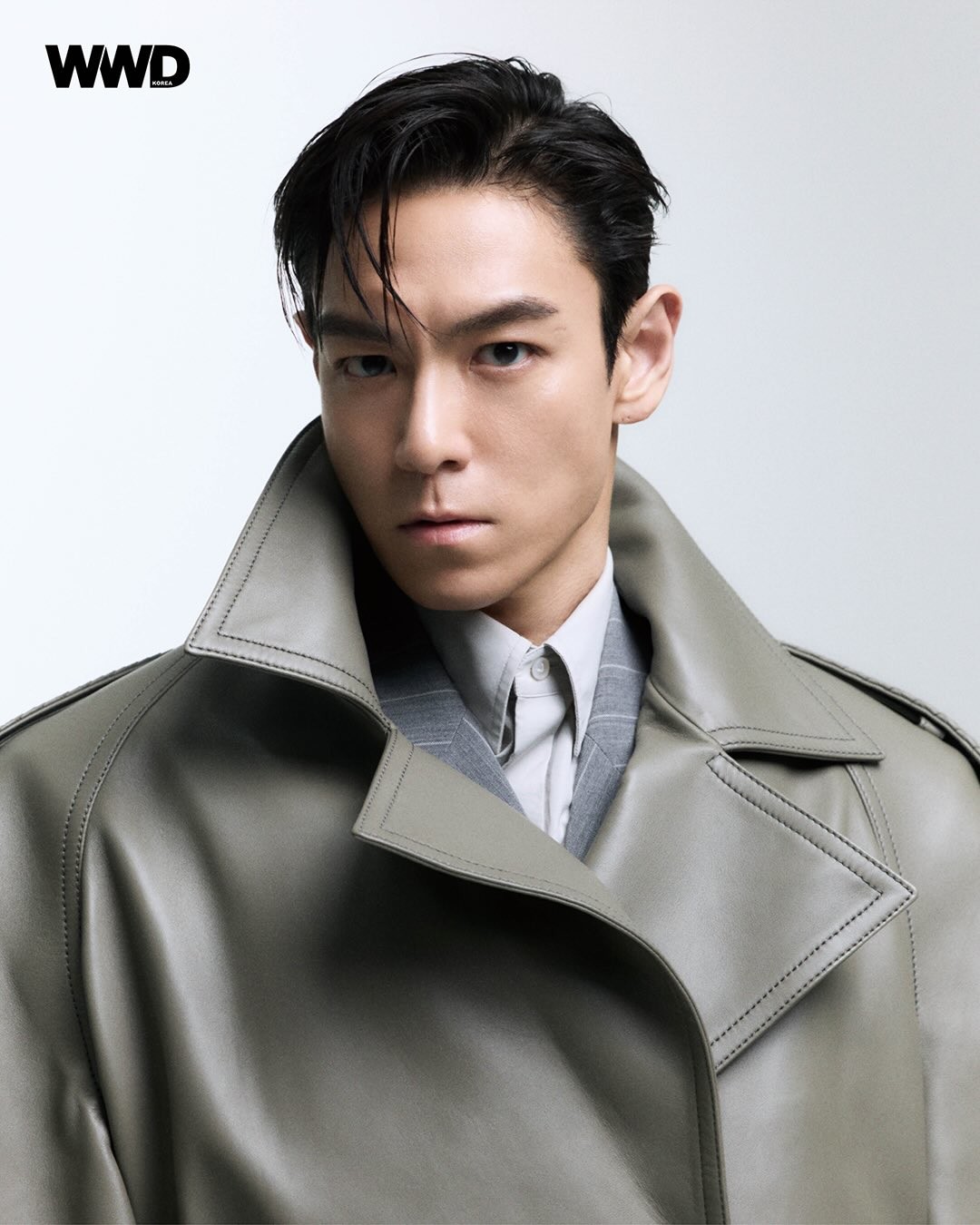
Music appears to be the center of that next phase
If there is one clear professional direction in front of him, it is music. Another Dimension was presented as a full-length project built around a cohesive artistic concept, with T.O.P participating across the album’s production and shaping it as a complete narrative rather than a loose collection of songs. Reports around the release also highlighted collaborators tied to high-end sound design and visual worldbuilding, suggesting that he is still deeply invested in large-scale creative control.
That makes his current stance more interesting. He is not rejecting scale. He is rejecting chaos. The interview does not point to smaller artistic ambition; it points to a different relationship with ambition itself. He still appears interested in major projects, but he seems far more careful now about the emotional cost of those projects.
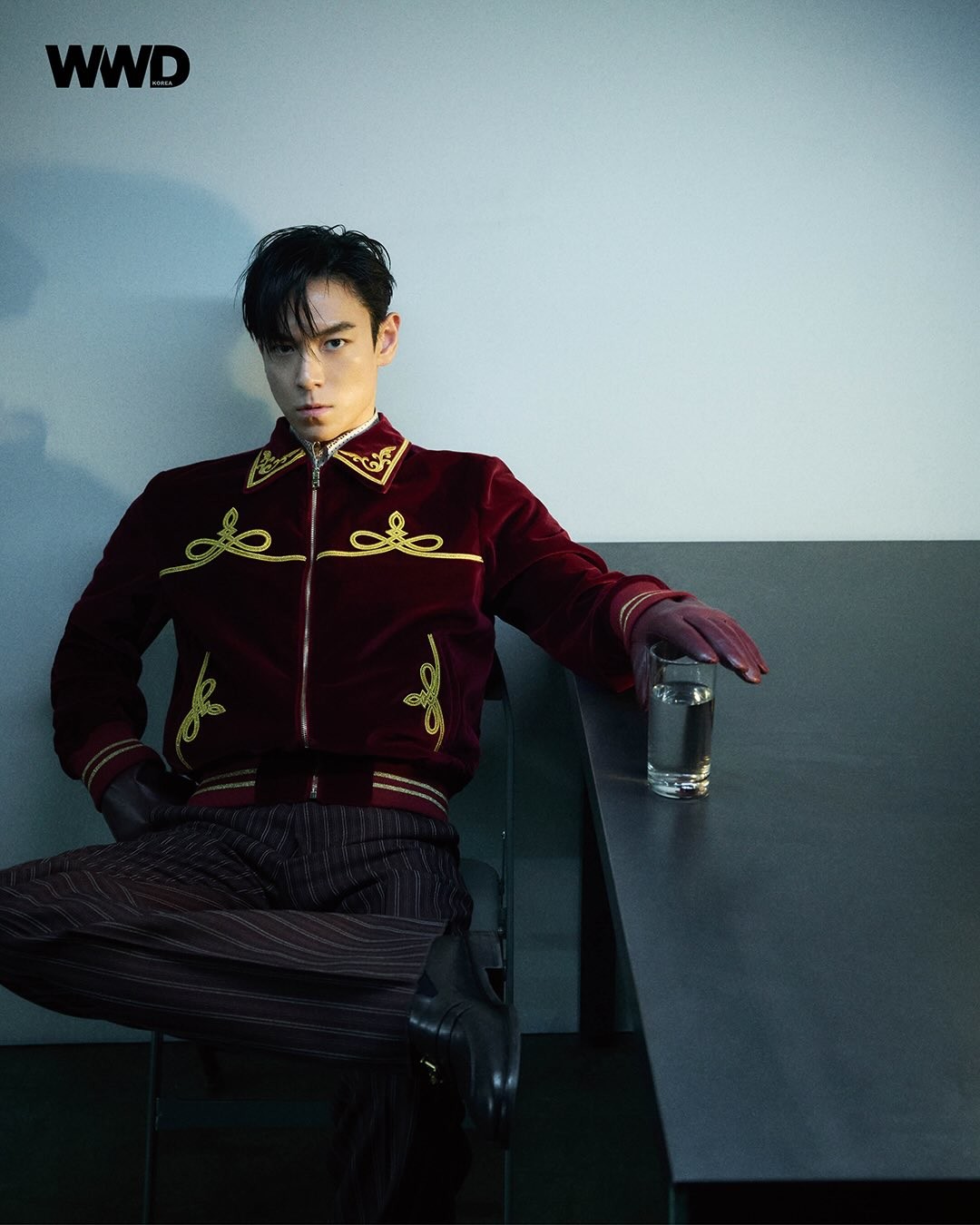
He also seems to be reshaping what “comeback” means for him
Publicly, T.O.P’s recent years have been defined by long gaps, heavy projection, and intense reaction to every return. That is why this moment feels different. His solo album, fashion editorial, and continued public visibility suggest continuity rather than a brief reappearance. At the same time, the tone of his interview suggests he does not want to repeat the old pattern where every move becomes a spectacle bigger than the work itself.
A recent analysis from Wikipicky made a similar observation, reading the interview less as a flashy relaunch than as a tonal reset. That feels like the right distinction. The biggest shift here may not be what T.O.P is making next, but how he wants that next chapter to feel.
This is why his “no more drama” comment carries more weight than a simple headline quote. Coming from an artist whose public image has long been tied to distance, controversy, mystery, and extremes, it sounds less like a passing emotional remark and more like a career principle. He appears to be defining the conditions under which he wants to keep going: creative freedom, controlled visibility, and a more stable personal environment.
That may also explain why the interview feels more future-facing than nostalgic. Yes, it reflects on 20 years since debut. But its real significance is that it offers a roadmap. T.O.P does not seem especially interested in reenacting old versions of himself. He appears more interested in deciding what kind of artist and what kind of public figure he can realistically be now.
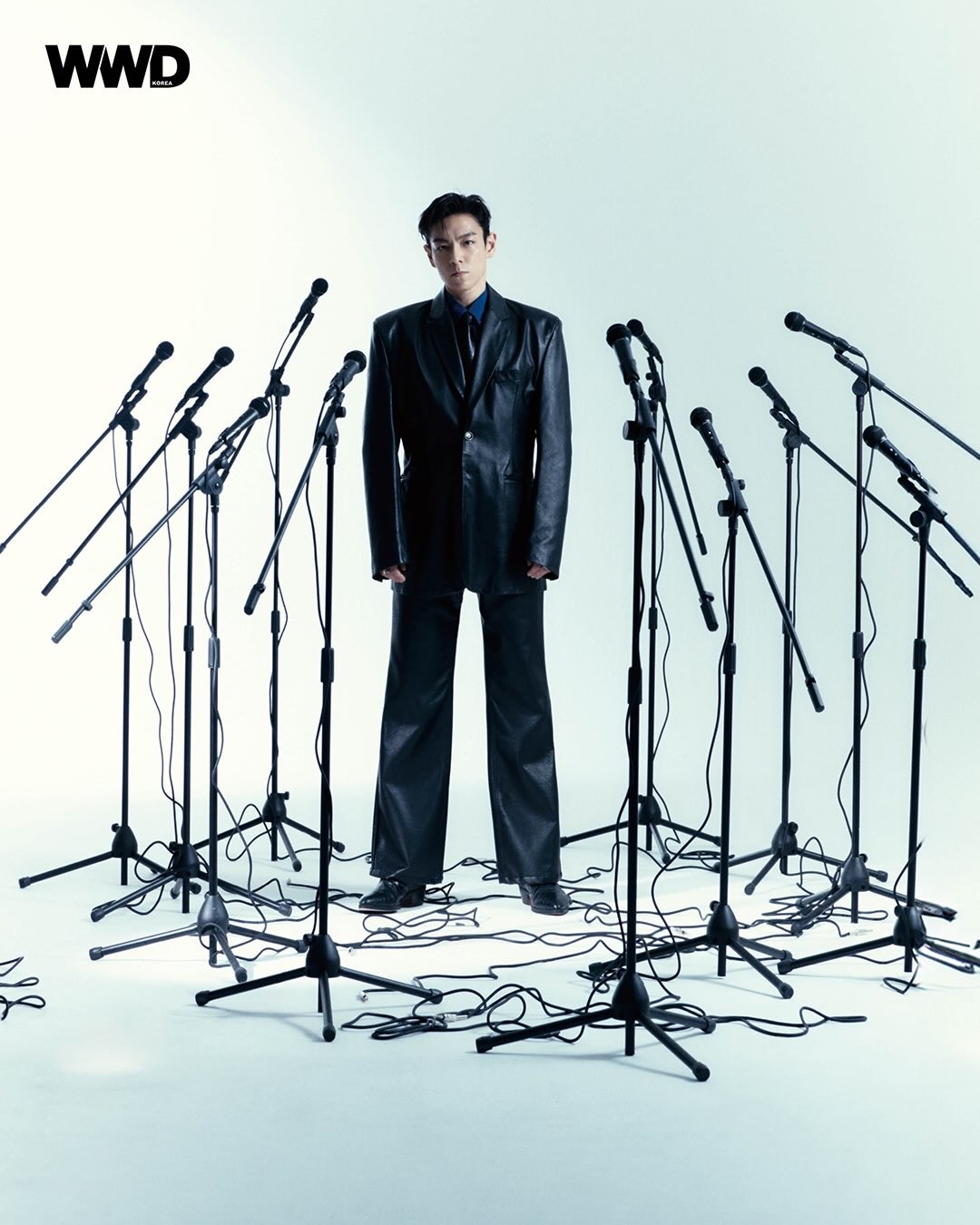
The next T.O.P era may be quieter, but not smaller
That is what makes the interview worth paying attention to. For years, T.O.P has been discussed in terms of absence, return, and rupture. This time, he sounds like someone thinking in terms of continuity. He has already restarted the music side. He is doing interviews again. He is signaling upcoming activities through a major magazine feature. But the tone surrounding all of it is much more controlled than before.
So the most interesting part of this interview is not that T.O.P wants peace. It is that he now seems to be organizing his career around that goal. And for an artist once associated with public extremes, that may be the most significant reinvention of all.