

Why Luxury Fashion Keeps Turning to K-pop Idols
작성일
Luxury brands are no longer choosing ambassadors based on fame alone. More and more, they are looking for artists who can move culture in real time and that is exactly why K-pop idols have become so valuable.
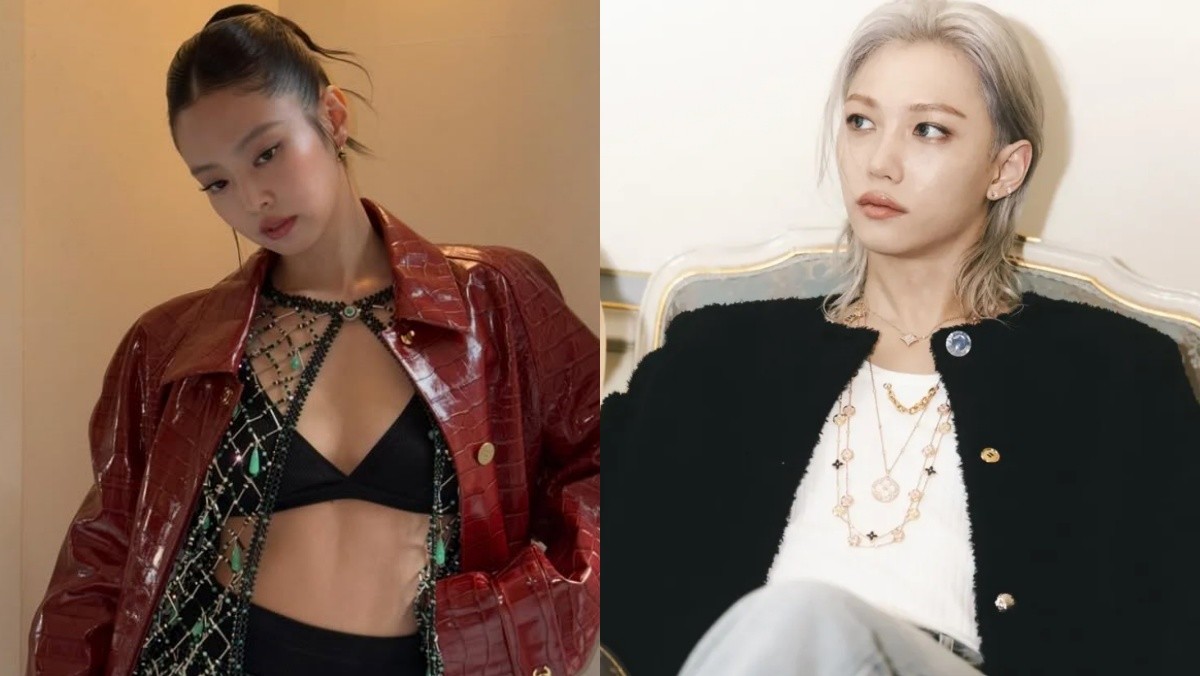
K-pop Turned Styling Into Storytelling
One reason luxury brands connect so naturally with K-pop is that fashion has always been part of the performance. In K-pop, an outfit is rarely just an outfit. It is tied to a concept, a mood, a visual era, and often a larger identity narrative. That makes idols more than campaign faces. They become storytellers who wear clothes in a way fans can instantly decode and emotionally invest in.
That system gives luxury houses something traditional celebrity marketing often cannot: built-in meaning. When fans see a look on stage, at the airport, or in a campaign image, they are not just seeing fabric. They are seeing a persona, a comeback theme, or a new chapter in an artist’s evolution.
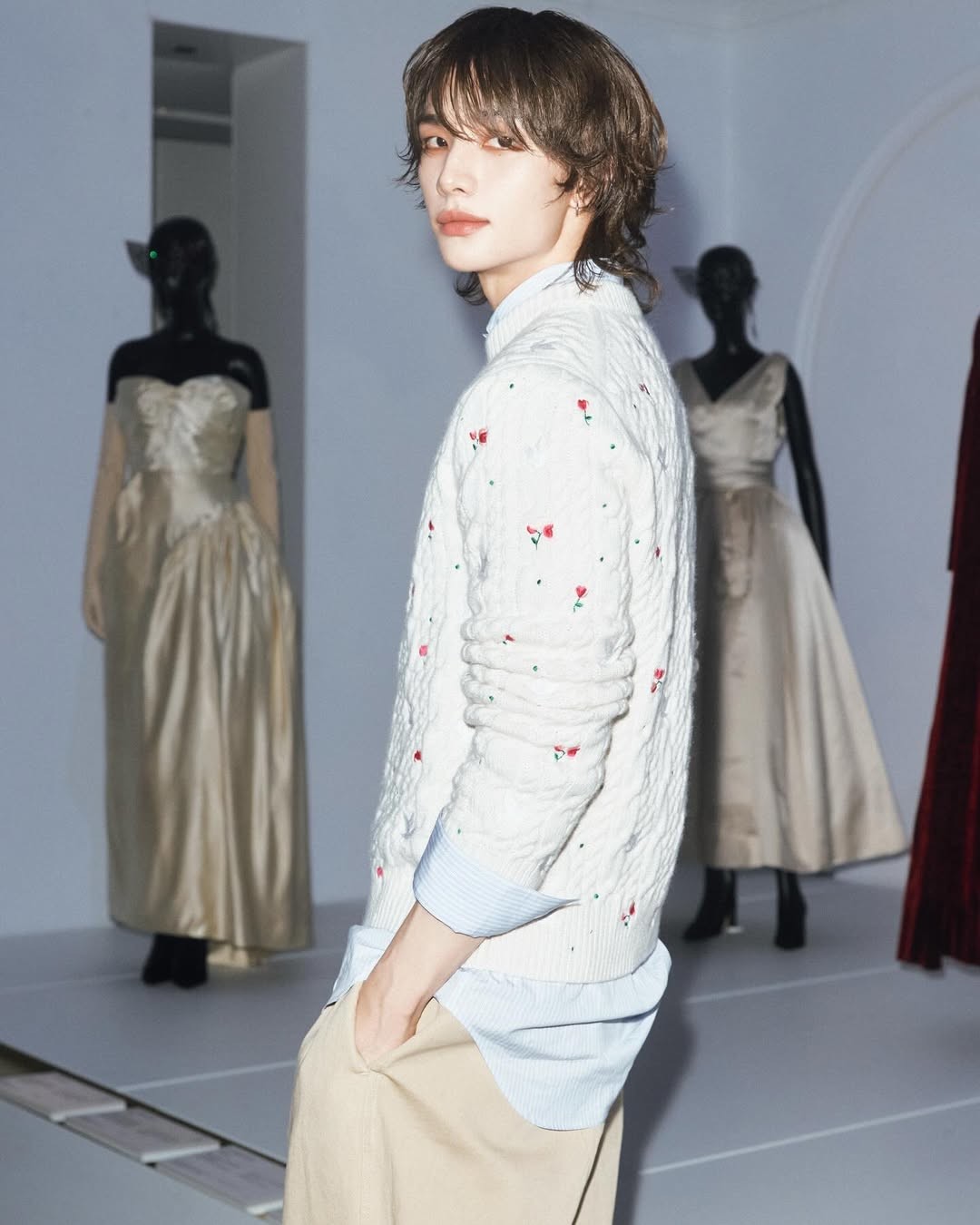
Why Brands See More Than Popularity
Luxury labels are not simply chasing high follower counts. They are responding to a shift in how influence works. K-pop idols live in constant conversation with global audiences through social media, live broadcasts, performance clips, and daily-content ecosystems. That means a single outfit can travel instantly and create demand far beyond the original event.
An airport look, an Instagram upload, or a front-row appearance can trigger millions of interactions within hours. For brands, that kind of engagement is not just visibility. It is momentum.
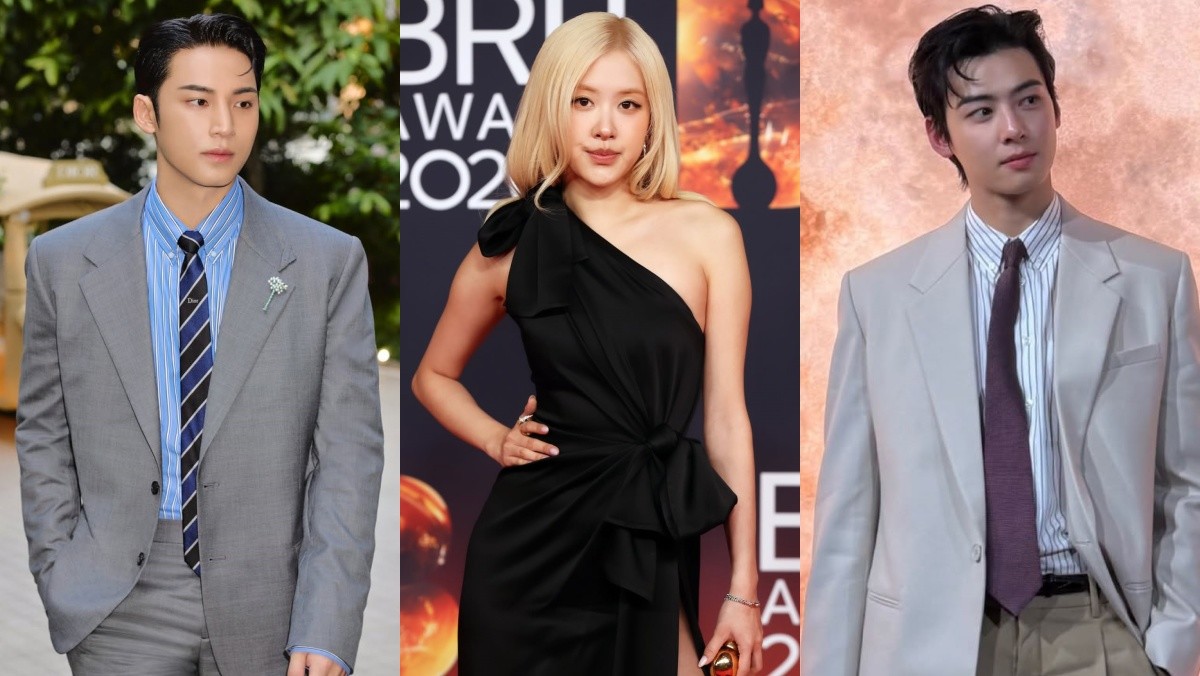
Why the Trend Is Not Slowing Down
Part of K-pop’s power is its ability to move between fantasy and everyday life. On stage, idols can look almost mythic. Off stage, they make luxury feel wearable and personal. Artists like Jennie, Felix, Hyunjin, Rosé, Mingyu, and Cha Eun-woo all represent different versions of that balance, helping brands feel both aspirational and emotionally accessible.
That may be the clearest reason luxury keeps investing in K-pop. Idols do not just wear brands. They translate them for a generation that experiences fashion through personality, mood, and community.
In that sense, K-pop is no longer adjacent to luxury fashion. It is helping define where luxury goes next.